.webp)
.png)

Since 2024, Bôndy and Made For A Woman have been structuring a sustainable raffia supply chain in the Diana region. Two districts covered, 151 stakeholders interviewed, 462 hectares mapped, and an initial collection of 358 kilos.
Raffia fiber is lightweight, flexible, and renewable, and can be harvested without cutting down the palm tree. However, harvesting at the wrong time or from trees that are too young weakens regeneration. It takes nearly seven years for a new plant to become harvestable. Added to this are fires, the conversion of land to more quickly profitable crops, and an unstructured collection process. Meanwhile, global demand is rising, and Madagascar supplies a significant portion of it.
Two years of understanding before producing
The first step was not collection, but understanding the landscape. In the Diego II and Ambilobe districts, 462 hectares of raffia groves were mapped, 203 of which are accessible. 151 people were interviewed: community managers, harvesters, collectors, artisans, and institutional representatives.
The assessment reveals a resource that is readily available but part of an almost entirely informal supply chain: few organized stakeholders, no traceability, and harvesting practices that vary significantly from one area to another. It also measures the pressure on the resource: 31% of the harvestable raffia groves studied have burned at least once in the last ten years.
358 kilos to test the chain
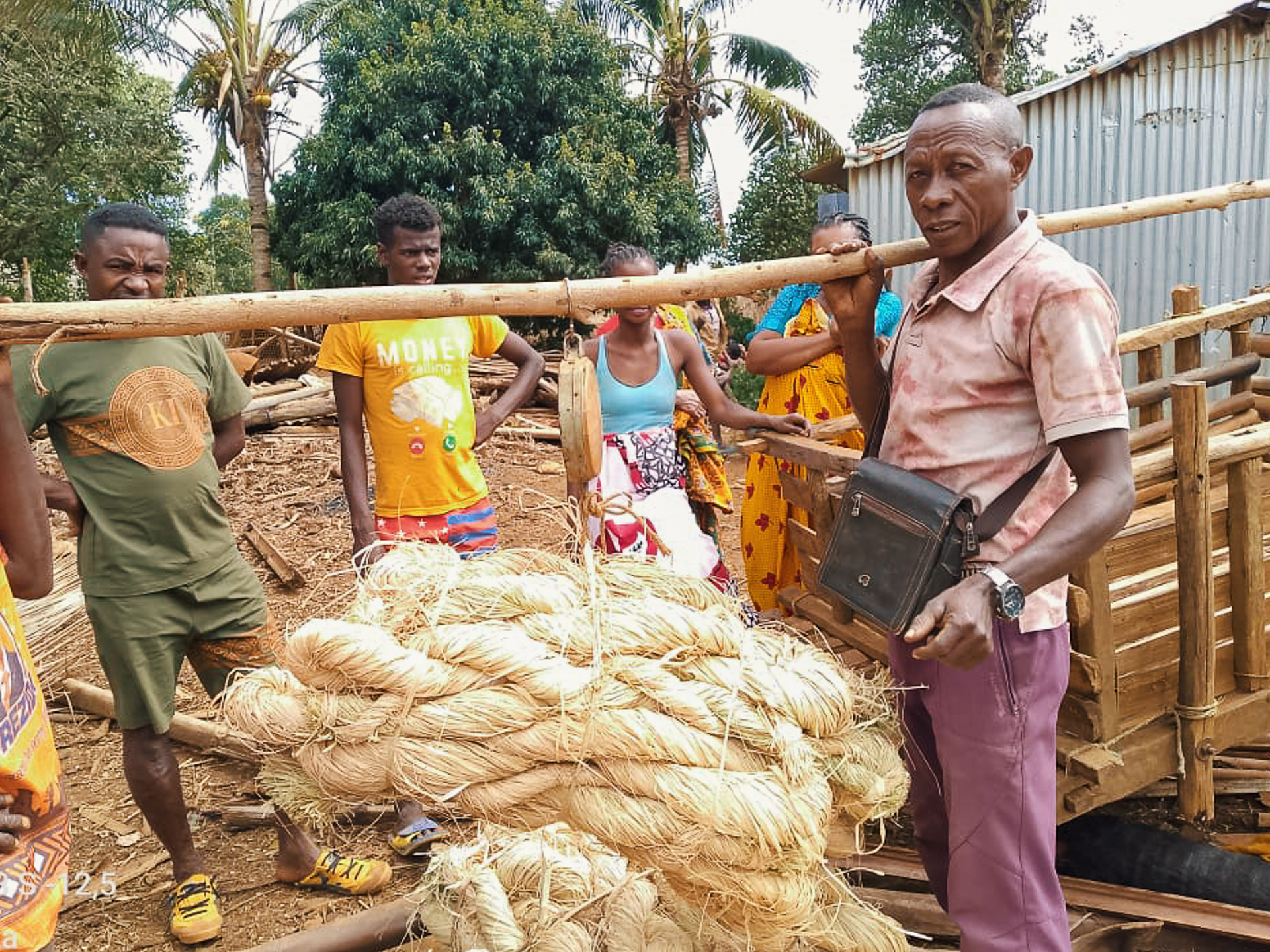
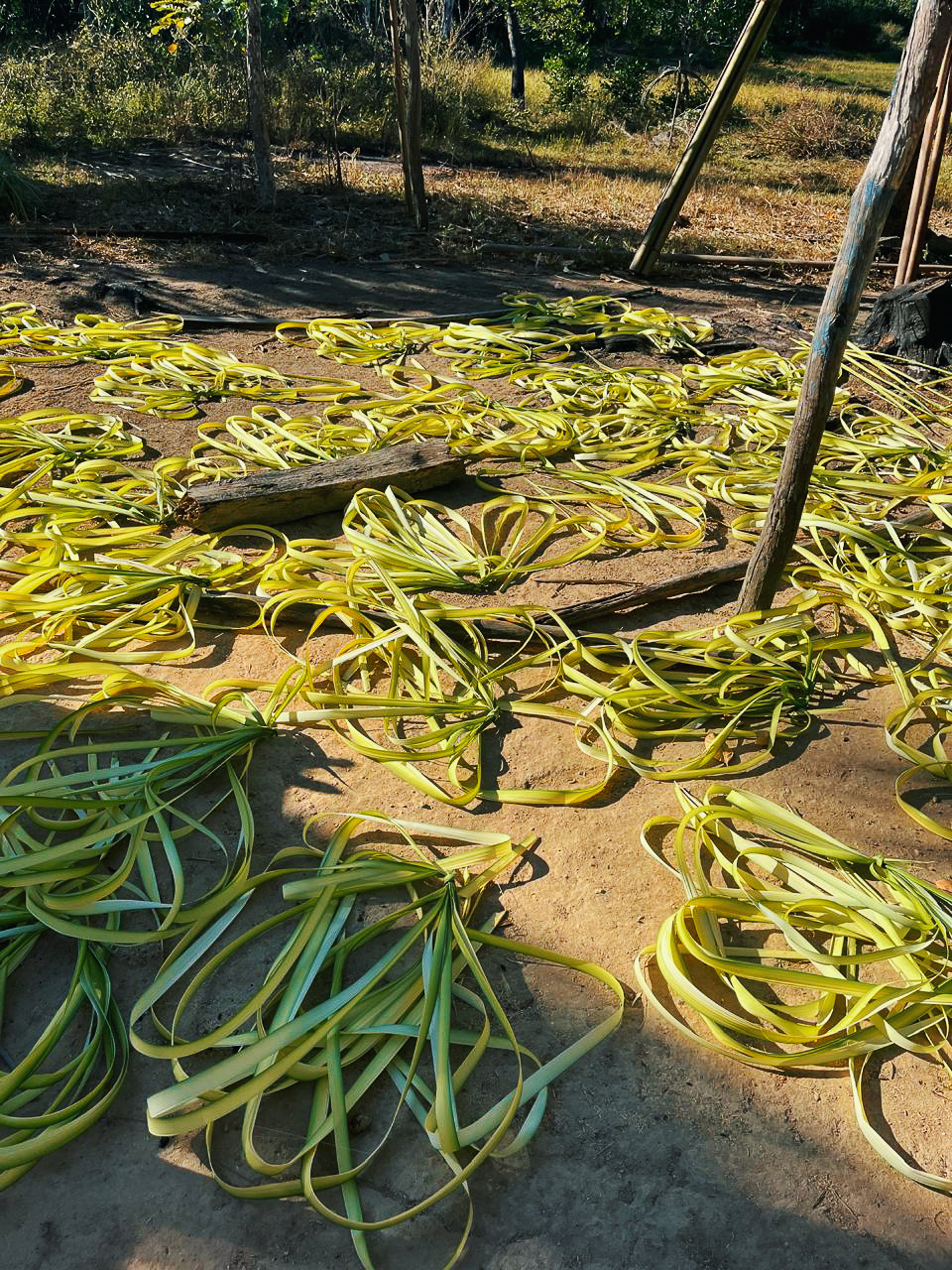
The pilot phase, launched at several sites in Diego II, was not about volume. It was designed to test every link in the chain, from selecting the plants to quality control, including harvesting, drying, sorting, and batch traceability. The result: 358 kilos of fiber, the first traceable flow in this sector. Early rains and inconsistent practices confirmed what the palm's natural cycle already indicated. In a natural supply chain, quantity cannot be separated from quality or time.
What this partnership makes possible
Made For A Woman provides the material, the craftsmanship, and the requirements of the luxury market. Bôndy provides the mapping, community support, traceability, and ecosystem regeneration. The next steps are clearly defined: nine target communes, regulated harvesting practices, trained teams, and traceable batches.



.jpeg)

.png)

.jpeg)



.jpeg)


.jpeg)



.png)


.webp)