.webp)
.png)
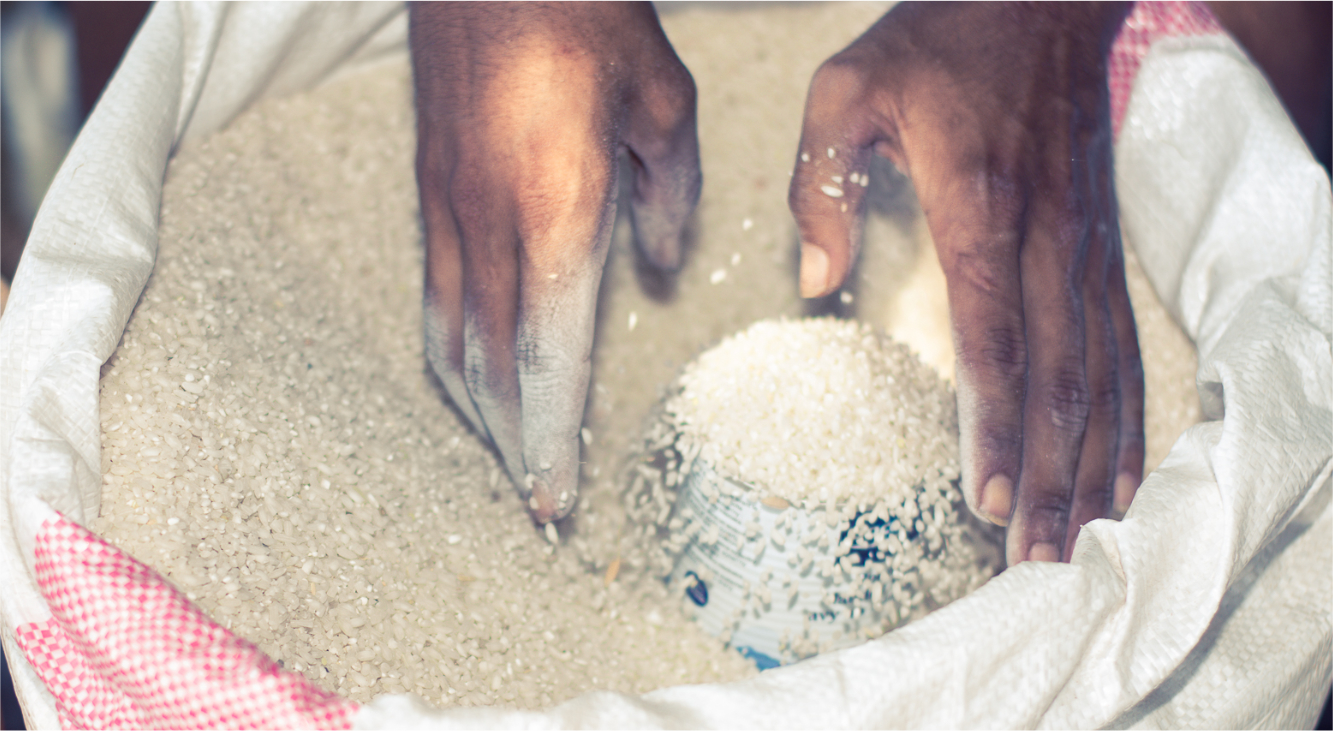

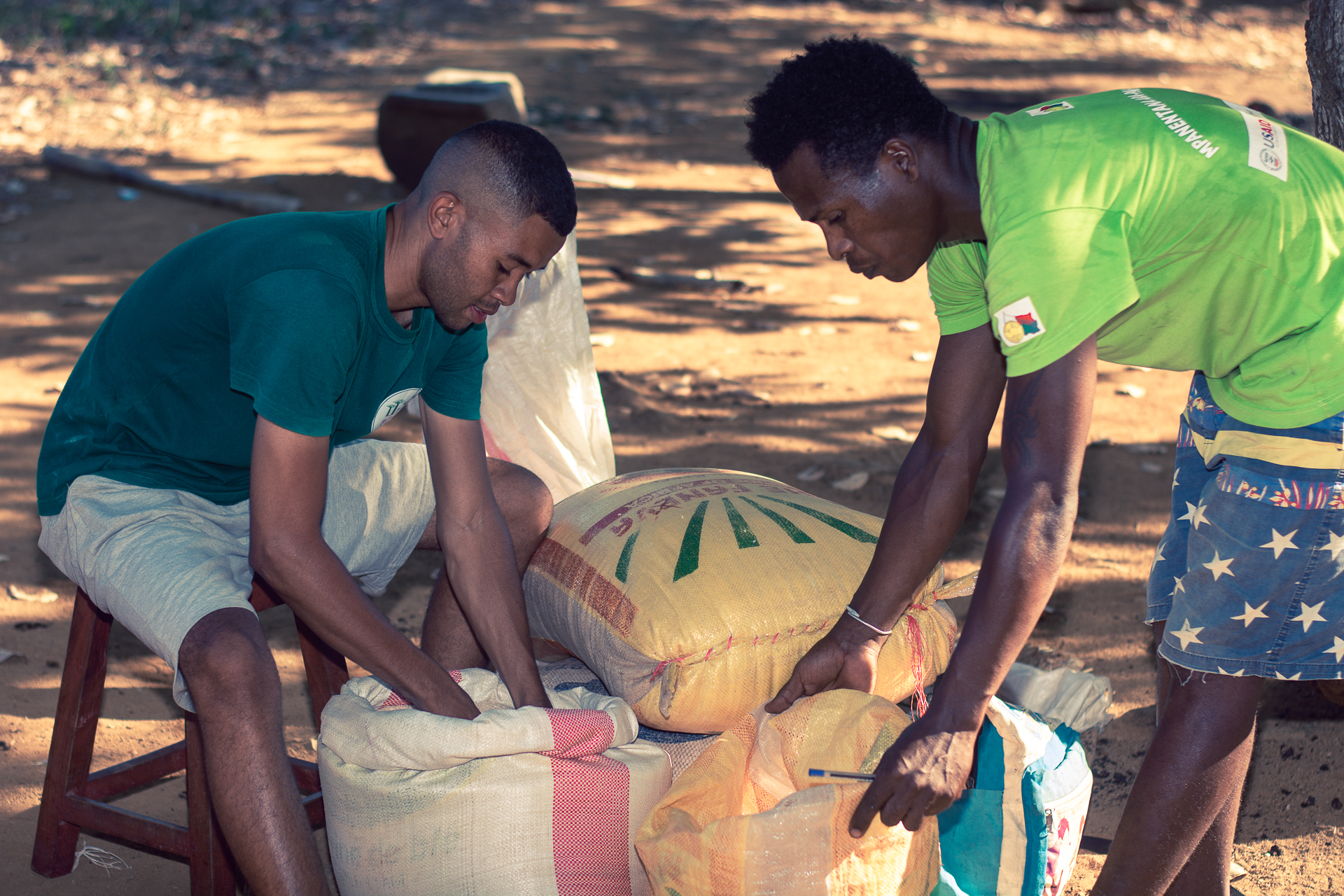
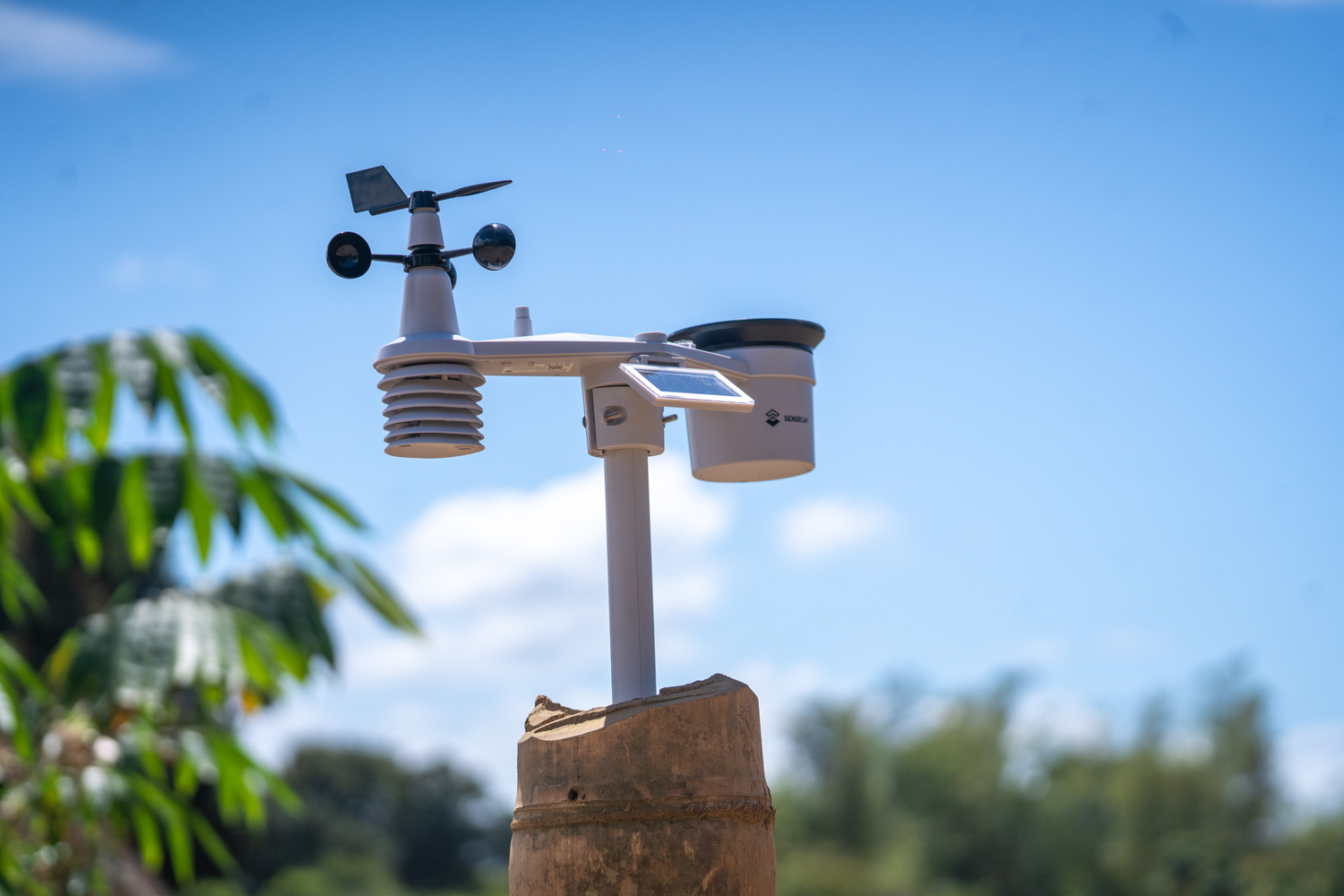
The fourth distribution campaign of the program conducted with PUR Project in Ambanja: 13 tons of rice shared among 736 producers and 66 lead farmers, based on measured plant survival rates. In Tamatave, a weather station installed at height now transmits its readings in real time to the Albatross dashboard. Two systems, one shared logic: data precedes action.
Planting is easy. What matters is what is still standing eighteen months later. The program conducted in Ambanja with PUR Project, as part of the Ecosystem Restoration and Livelihood Project in Madagascar, is built around this observation.
Here, the producer's compensation is not paid on the day of planting. It is triggered at six months, then at eighteen months, based on the measured plant survival rate. From a 50% survival rate, the rice is delivered. Below this threshold, nothing is paid. Lead farmers receive fixed compensation for their coordination role, provided their area exceeds this same threshold.
On the land of participating producers, it is not monocultures that grow. These are agroforestry systems with 22 associated species: timber, fast-growing trees, legumes, and fruit trees. This mix restores soil fertility, stores carbon, diversifies household diets, and spreads their income throughout the year.
The results of the fourth campaign: 736 individual allocations to producers, totaling 10 tons of rice, and 66 50-kilo bags given to lead farmers, totaling an additional 3 tons. All part of a 100,000-plant program.
What this model enables
A funder supporting a plantation rarely buys trees. They buy a probability that they will survive. Indexing the producer's compensation to a measured survival rate shifts the risk to where it can be managed—on the ground—and makes the expenditure traceable line by line.
A thousand kilometers to the east, the same logic takes another form.
In Tamatave, the weather is starting to talk to the nurseries
In Tamatave, a discreet installation has just been set up at height: a weather station. It has been operational since this quarter and transmits its readings in real time to the Albatross project dashboard, developed in-house.
Primary use: measuring the effect of local conditions on the nurseries. Next objective: converting this raw data into ultra-localized, readable alerts for partner farmers so they can anticipate short-term risks.
What this instrumentation enables
A nursery equipped with a weather station no longer waits for damage to occur before adjusting its practices. Raw data, converted into readable alerts, will allow partner farmers to anticipate short-term risks: adjusting watering, delaying transplantation, or protecting a batch of plants before the stress becomes a loss. The Tamatave station is the first piece of the system. Two more stations are planned before the end of Q3.




.jpeg)

.png)

.jpeg)



.jpeg)


.jpeg)



.png)


.webp)