.webp)
.png)
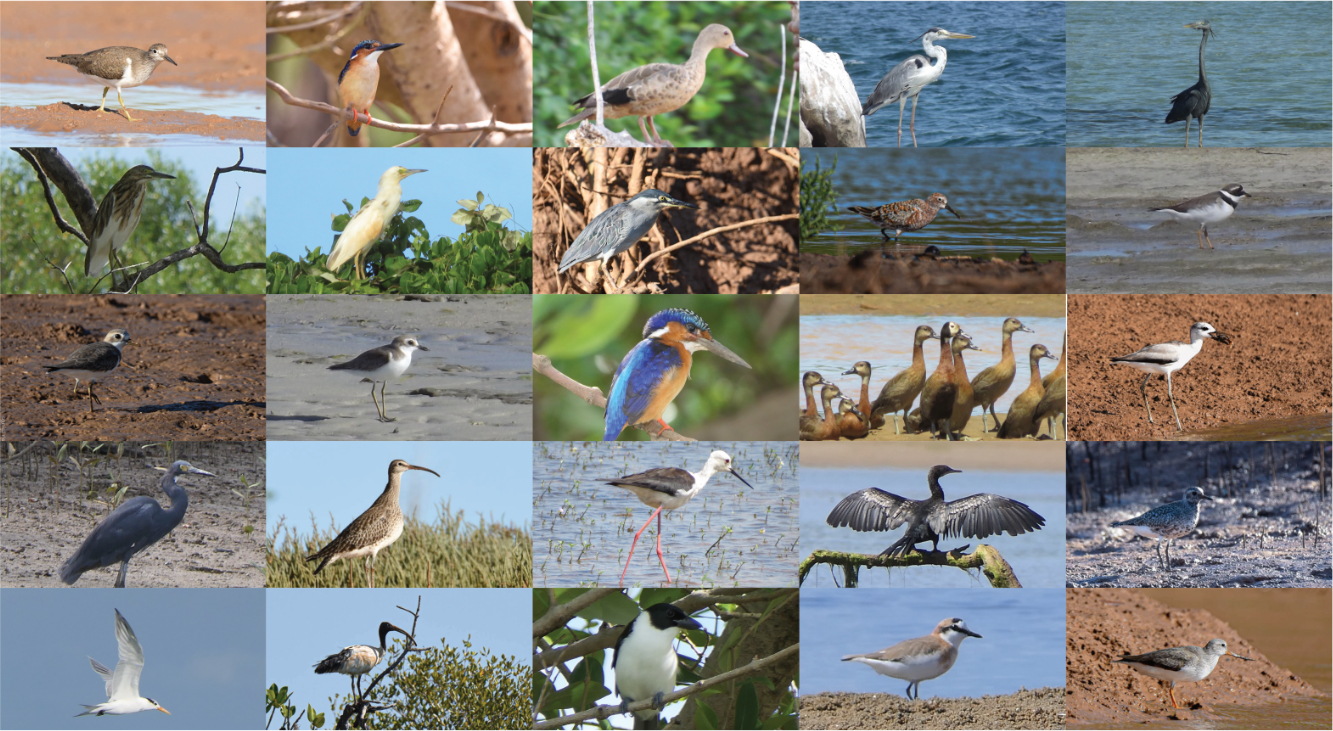

This quarter at Ma Honko, an inventory conducted with Asity Madagascar identified 46 species of waterbirds across 17 sites in four regions. Seven of these are on the International Union for Conservation of Nature (IUCN) Red List. The threshold for international importance set by the Ramsar Convention is in sight.
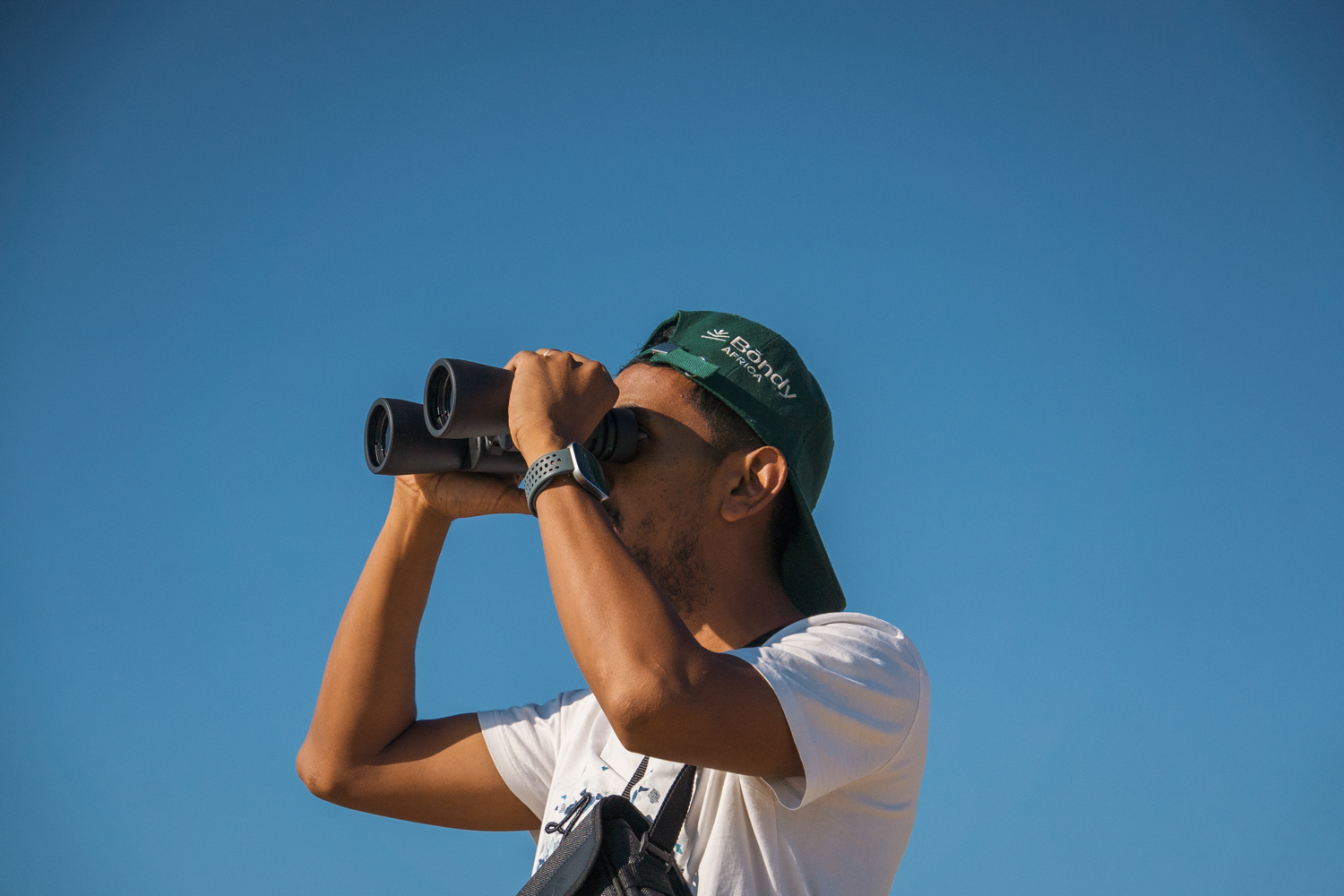
April 2026. The migratory season is drawing to a close, but in the mangroves of Melaky, Diana, Sofia, and Boeny, Asity Madagascar ornithologists are still in the field. The count continues, site after site, binoculars fixed on the horizon of the mudflats. Thirty thousand waterbirds have been recorded to date. The peak, during the height of migration, is expected to be between December and February, with 35,000 to 40,000 individuals anticipated.
This figure has significance beyond the count itself. Criterion 5 of the Ramsar Convention, an international benchmark for wetlands, sets a threshold: 20,000 waterbirds for an area to be recognized as internationally important. The April count has already recorded 30,000 at the end of the season. The upcoming peak-season count will determine if that line has been crossed.
The 46 identified species belong to 14 families. Seven of them appear on the IUCN Red List:
- Two are critically endangered: the Madagascar Fish Eagle and Bernier's Teal.
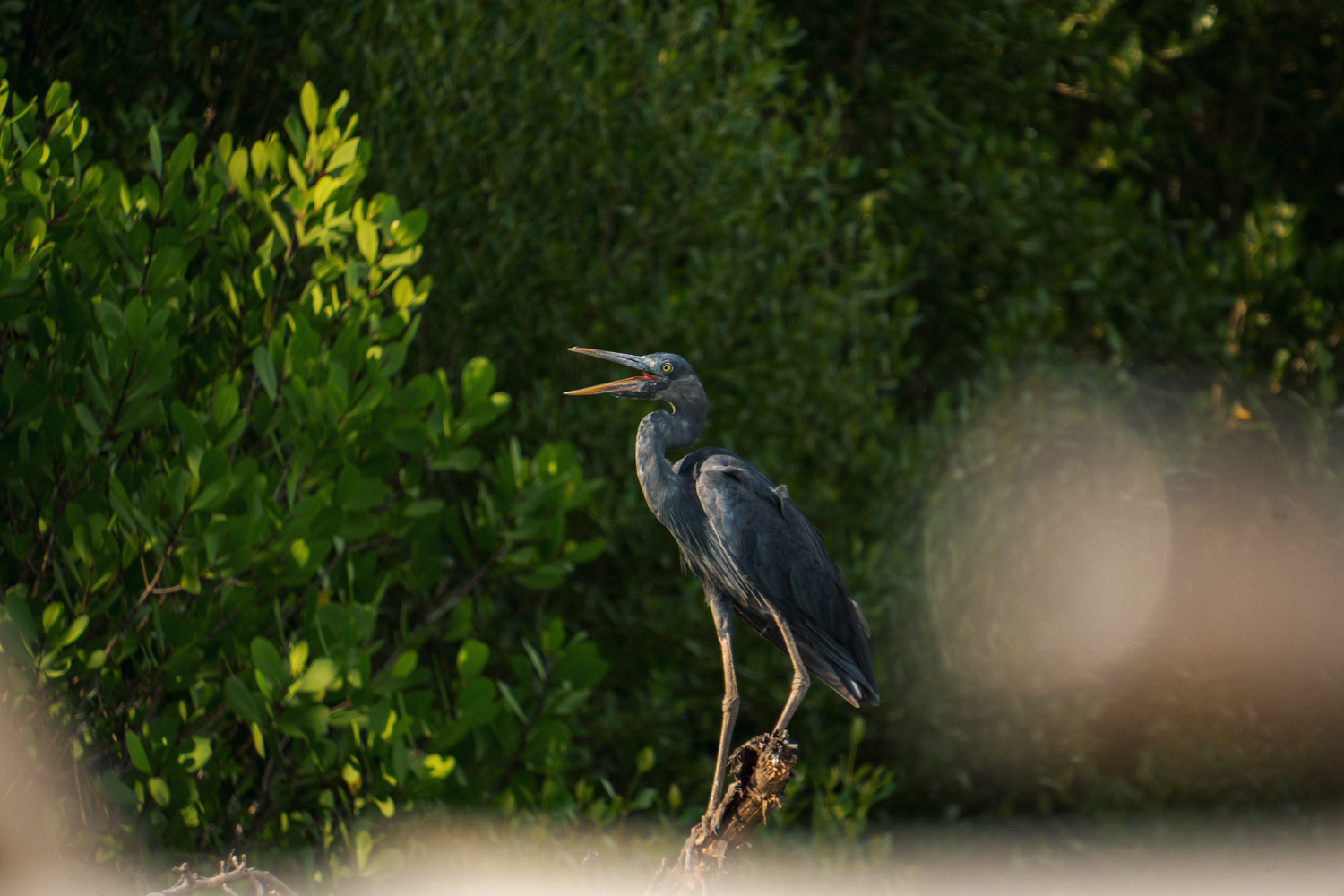
- Three are endangered: the Humblot's Heron, the Madagascar Sacred Ibis, and the Malagasy Pond Heron.
- Two are vulnerable: the Curlew Sandpiper and the Eurasian Curlew.
These seven species were observed at 70% of the sites visited.
The inventory did not stop at birds. It also measured human pressure, category by category of ecosystem. It is low on intertidal mudflats and coastal beaches, moderate on rivers and mangrove channels, and high on lakes. Three threats appear everywhere: mangrove wood cutting, intensive fishing, and siltation.
What these figures make possible
A wetland that exceeds the Criterion 5 threshold becomes eligible for Ramsar designation, a decision that rests with the Malagasy State and the Convention Secretariat. For a partner, this prospect changes the conversation: we are no longer funding a plantation, but rather the preservation of an ecological infrastructure whose value is documented according to an international standard.
Governance that existed before us
Several hundred kilometers to the north, in the Diana region, another project is wrapping up. It didn't make noise or headlines. VOIs, or Vondron'olona Ifotony—community forest governance structures that were already in place long before Bôndy arrived—have been reactivated. They were not replaced. They were restarted.
This quarter, the VOIs formed a team of polisin'ala, or "forest police" in Malagasy. Ten patrollers were trained as a result. They now monitor the plantation areas and record any observed infractions in a register that belongs to them.
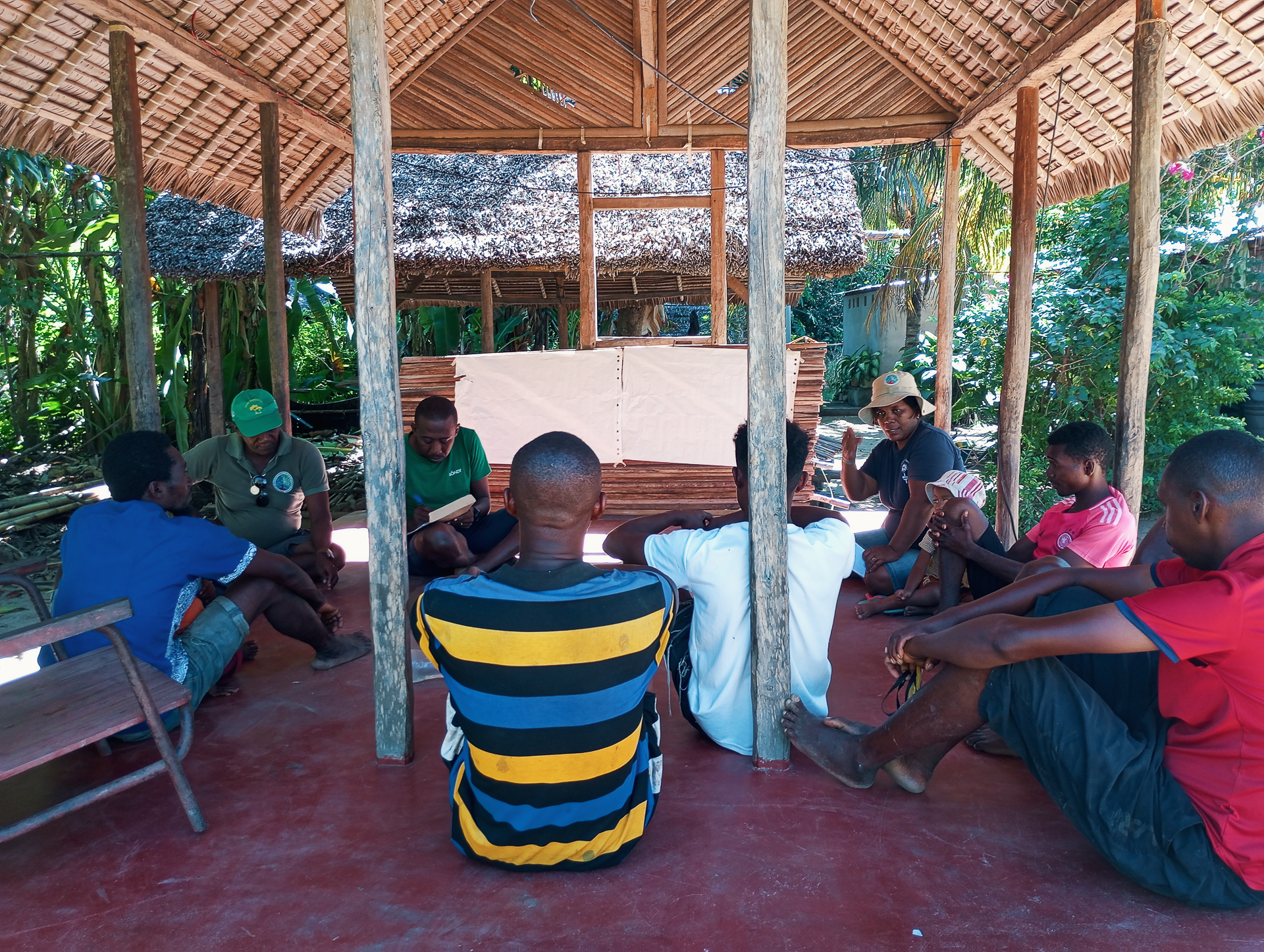
Three partner associations—two in Diana and one in Sofia—also submitted their applications to the Green Ground Fund. They were awarded $5,000, a sum paid directly to the associations, not to Bôndy. This money funds surveillance patrols, female leadership initiatives, awareness campaigns, and exchange workshops.
Thirty thousand birds counted on one side, ten patrollers trained on the other. The peak-season count, between December and February, will determine if the threshold is crossed. As for the surveillance, it has already begun.




.jpeg)

.png)

.jpeg)



.jpeg)


.jpeg)



.png)


.webp)